Don't miss our holiday offer - up to 50% OFF!


HGH Fragment 176-191 – Research Grade Peptide
Price range: £10.00 through £12.00
- Stock: 2908
- Model: HGH Fragment 176-191
- Molecular Formula: C78H123N23O22S2
- SKU: HGH -022
- Purity: >95% (HPLC validated)
Research Handling Note:
For best results in a research setting, allow both the peptide and chosen solvent to reach ambient laboratory temperature before reconstitution. This helps maintain structural integrity during dissolution. *Reconstitution solutions are supplied separately.
HGH Fragment 176-191 – Research Grade Peptide
HGH Fragment 176-191 for Laboratory Research
HGH Fragment 176-191 is a synthetic peptide consisting of amino acid residues 176–191 from the C-terminal region of human growth hormone (HGH). This 16-amino-acid fragment has been extensively investigated in preclinical research because it represents the portion of the parent hormone associated with lipolytic activity while lacking the regions responsible for growth-promoting and IGF-1-mediated effects.
As a result, HGH Fragment 176-191 is commonly used in laboratory studies exploring adipose tissue biology, metabolic pathways, and peptide structure-function relationships.
Product Specifications
- Product Name: HGH Fragment 176-191
- Catalog Number: HGHF176191
- Other Names: HGH Frag 176-191, Growth Hormone Fragment, AOD-Derived Fragment
- Purity: ≥98% (HPLC Verified)
- Appearance: White lyophilized powder
- Form: Sterile freeze-dried peptide
- Grade: Research Grade
- Available Sizes: Multiple vial sizes
- Research Use Only – Not for Human or Veterinary Use
Research Overview
Published laboratory studies have investigated HGH Fragment 176-191 in adipocyte cultures and animal models to better understand lipid metabolism and adipose tissue regulation.
Research has explored:
- Adipocyte lipolysis
- Metabolic pathway investigation
- Structure-function relationships of human growth hormone
- Peptide pharmacology
- Experimental obesity research models
- Fat tissue signaling mechanisms
Findings from preclinical models should not be interpreted as evidence of clinical benefit in humans.
Mechanism Under Investigation
The precise molecular target remains under investigation. Published research suggests the fragment may influence pathways involved in adipocyte lipid metabolism without activating the classical growth hormone receptor responsible for growth-related signaling.
Areas of investigation include:
- Regulation of adipocyte signaling pathways
- Lipid metabolism
- Hormone-sensitive lipase activity
- Cyclic AMP (cAMP) signaling
- Functional separation of lipolytic and somatogenic activities
Further research is required to fully characterize these mechanisms.
Technical Data
| Property | Specification |
|---|---|
| Molecular Formula | C78H125N23O23S2 |
| Molecular Weight | 1,817.1 g/mol |
| Amino Acid Length | 16 |
| Molecular Class | C-terminal Growth Hormone Fragment |
| Appearance | White Lyophilized Powder |
| Purity | ≥98% |
| Analytical Testing | HPLC & Mass Spectrometry |
| Solubility | Limited in water |
| Recommended Solvent | 0.6% Acetic Acid |
| Storage (Lyophilized) | Below −18°C |
| Storage (Reconstituted) | 2–8°C short-term or below −18°C long-term |
| Light Sensitivity | Protect from light |
Storage & Handling
For optimal stability:
- Store unopened lyophilized vials below −18°C in a dry environment.
- Allow materials to reach room temperature before reconstitution.
- Use 0.6% acetic acid as the preferred reconstitution solvent.
- Store reconstituted solutions refrigerated for short-term laboratory use.
- Avoid repeated freeze-thaw cycles.
Quality Assurance
Every batch undergoes comprehensive quality control, including:
- High-performance liquid chromatography (HPLC)
- Mass spectrometry identity verification
- Lot-specific quality documentation
- Batch traceability
- Temperature-protected shipping
Certificates of Analysis (COAs) are available upon request.
Frequently Asked Questions
What is HGH Fragment 176-191?
It is a synthetic peptide representing amino acids 176–191 from the C-terminal region of human growth hormone and is supplied exclusively for laboratory research.
What research areas use this peptide?
Researchers commonly investigate adipose tissue biology, lipid metabolism, peptide pharmacology, and growth hormone structure-function relationships.
How should it be stored?
Store lyophilized material below −18°C. After reconstitution, refrigerate for short-term use or freeze below −18°C for longer storage.
Is this product approved for human use?
No. HGH Fragment 176-191 is supplied strictly as a laboratory research material. It is not approved for human consumption, therapeutic use, diagnostic use, or veterinary applications.
Regulatory Disclaimer
HGH Fragment 176-191 is intended exclusively for laboratory research purposes. This product is not a drug, dietary supplement, cosmetic, or food product. It has not been evaluated by the U.S. Food and Drug Administration (FDA) for safety or effectiveness and must not be used for therapeutic, diagnostic, or human applications. Purchasers are responsible for ensuring compliance with all applicable laws and regulations.
| Peptides | 2mg*1vials, 5mg*1vials |
|---|
Related products
-
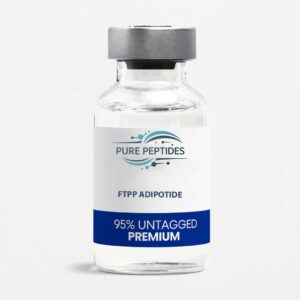
Adipotide (FTPP) – Research Grade Peptide
Price range: £52.00 through £110.00Select options This product has multiple variants. The options may be chosen on the product page -
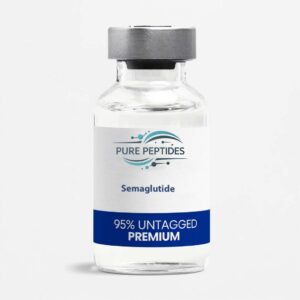
Semaglutide – Research Grade Peptide
Price range: £28.00 through £95.00Select options This product has multiple variants. The options may be chosen on the product page -
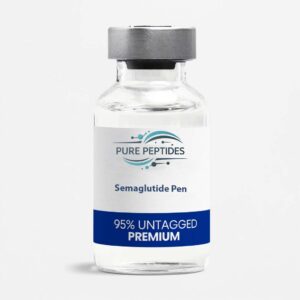
Semaglutide Pen – Research Grade Peptide
Price range: £22.00 through £26.00Select options This product has multiple variants. The options may be chosen on the product page -
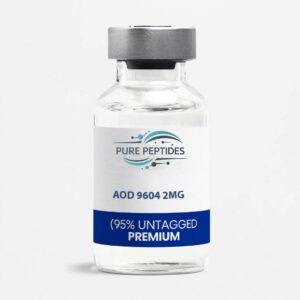
AOD-9604 – Research Grade Peptide
Price range: £44.00 through £129.00Select options This product has multiple variants. The options may be chosen on the product page
Reviews
There are no reviews yet.